
Disaster Recovery and Business Continuity
Disaster Recovery and Business Continuity
Here to make your everyday IT simple, stress-free, and fully supported.
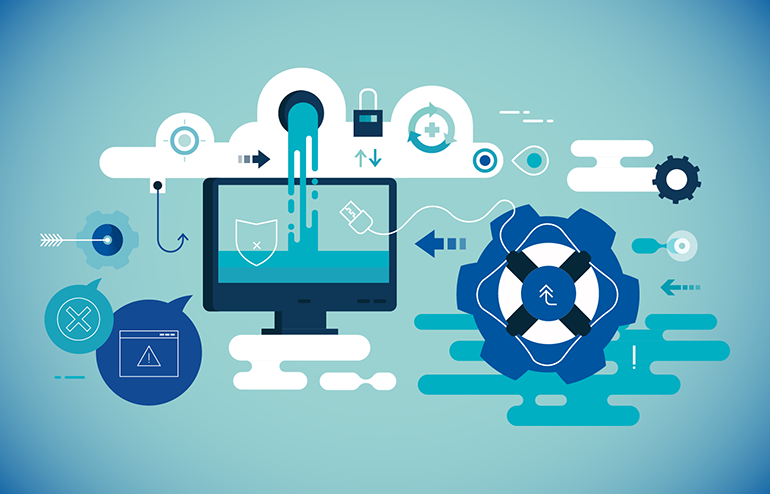
With the rise in data loss and the increasing frequency of natural disasters, having a robust disaster recovery strategy is more critical than ever. Modern technologies now empower businesses to proactively prepare for unexpected disruptions and ensure continuity.
Whether you're a small startup or a large enterprise, we offer tailored disaster recovery solutions designed to meet your specific needs and budget, helping you protect vital data, minimise downtime, and keep operations running smoothly.
Managed Disaster Recovery
We offer expert advice and strategic planning to help businesses prepare for disaster recovery and maintain operational continuity in the face of unexpected disruptions. Our tailored solutions ensure your organisation can quickly recover critical systems and data, minimising downtime and protecting productivity. With a proactive disaster recovery strategy in place, you can safeguard your business against threats and keep operations running smoothly, even in the most challenging circumstances.
Get in TouchMobile Connectivity
Mobile devices play a vital role in ensuring business continuity during unexpected disruptions. By enabling remote work and maintaining seamless communication, smartphones, tablets, and laptops allow teams to stay connected and productive, even in the event of a disaster. Integrating mobile technology into your IT strategy helps safeguard operations, reduce downtime, and support flexible, resilient workflows across your organisation. If your team already works this way day-to-day, our guide on keeping business data safe when people work from home covers what's worth checking.
Read the GuideCloud Solutions & Virtualisation
Leveraging cloud technology and virtualisation can dramatically improve your Recovery Time Objectives (RTO), ensuring faster and more efficient system restoration. By utilising virtual images or cloud-based downloads, businesses eliminate the delays commonly associated with traditional recovery methods. This streamlined approach enhances business continuity, reduces downtime, and supports a more resilient IT infrastructure, making cloud and virtualisation key components of any modern disaster recovery strategy.
Get in TouchSocial Networking
Just like mobile devices, social networking platforms offer a valuable communication channel for both internal teams and external stakeholders during and after a disaster. By enabling real-time updates and remote connectivity, social media reduces reliance on traditional communication methods, and helps maintain business continuity. Integrating social networking into your disaster recovery strategy ensures faster response times, improved collaboration, and greater resilience in the face of unexpected disruptions.
Get in TouchTape to Electronic
Switching from tape-based backups to electronic solutions significantly reduces latency and dramatically improves recovery speeds. Modern backup methods offer faster, more reliable data restoration, essential for maintaining business continuity. Our team provides expert guidance on implementing software replication, continuous data protection, and secure backups to remote libraries. These advanced strategies ensure your critical data is always protected, easily accessible, and ready for rapid recovery when needed.
Get in TouchRecovery Point Objectives (RPO)
Defining your Recovery Point Objective (RPO) and Recovery Time Objective (RTO) is essential for building a disaster recovery strategy that aligns with your business needs and operational priorities. These metrics determine how much data loss is acceptable and how quickly critical systems must be restored after a disruption. A well-structured disaster recovery plan should clearly outline the infrastructure and processes required to bring key business applications back online, minimising downtime, protecting data integrity, and ensuring business continuity.
Get in Touch